 Fantastic Fest
As much as I strive to provide as close to objectivity as possible, some subjective factors do sometimes get in the way and exert an outsized pull on my response to a film. “The Girl with All the Gifts” was the sixth film in a marathon day of binge moviegoing at 2016’s Fantastic Fest. Colm McCarthy’s film had to contend for my attention with the perennial reigning champion of sleep.
This zombie flick mostly managed to hold my attention, though its contention with some high-quality shut eye led me to nitpick away at its flaws and banalities. Glenn Close’s near-constant regurgitation of exposition would be bad enough. But her shaky British accent made nearly every line she spoke like nails on a chalkboard. (Also, Gemma Arterton kind of looks like she could be related to Mads Mikkelsen. Look for it.)
“The Girl with All the Gifts” is not going to move the needle in its genre of horror. Mike Carey’s screenplay, adapted from his own novel, brings one interesting feature to the flesh-eating creatures. A group of young children can live with the fungus that creates zombies but maintain basic functions of a sentient human. They are sequestered away from the rest of the plague-infested earth by military personnel, although new developments involving the particularly gifted “hungry” Melanie forces a coalition out into ravaged areas of Britain to do … something. I’m not entirely sure, and that lack of certainty stems both from my own tiredness watching the film as well as unclear character motivations. Stick around for the ending if you can endure the familiar feeling of the rising action. B / 
 As I noted when reviewing Asghar Farhadi’s “
 Ever since his film “

 Sundance Film Festival, 2016
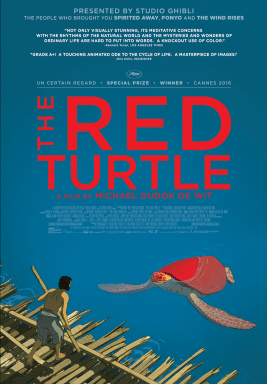 Fantastic Fest
 As firm of a believer as I am in the transformative power of cinema, I do not believe any film contains some kind of magical power that can rid the world of hatred and bigotry. What they can do, however, is gently nudge the needle of individual opinion in the way empathy and humanity. The act of experiencing a narrative arc through the perspective of someone different can open new insights into a world different from our own.
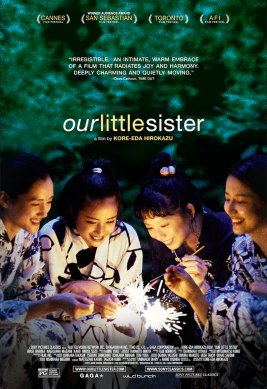 Kore-Eda Hirokazu’s dramas possess a peerless delicacy in their domestic observations. He never seems to approach the material with gloves on, although the gentility takes an quiet yet conspicuous effort. The director’s “
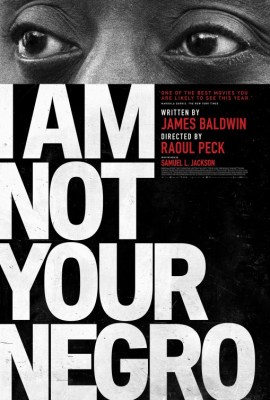 Raoul Peck’s “
 “
“

 Marshall and the Movies
Recent Comments