 At least for now, it’s taken as an assumption that most queer cinema will take place against the background of a heteronormative society. Few visualize it like John Trengove’s “The Wound,” a drama set in among a South African tribe participating in a male circumcision ritual. The first love scene between two men is shot from a dispassionate distance where thrusting is but the motion of a few pixels, and a scene of fellatio shortly after takes place in such dark silhouettes that individuating features are not discernible. These actions is so forbidden and their pleasures so taboo that what we see is little more than bodies in motion.
When we’re closer to two men’s physical intimacy, Trengove shows us the effects of a hypermasculine culture on the lovers. Two people who feel a deep emotional bond do not always feel comfortable enough in their own bodies to express that, so we see a lot of uncomfortable and awkward groping, grasping and grabbing. It’s like watching a surrender to primal urges, stripped from any kind of notions of romance or sensuality.
“The Wound” is less compelling when these characters try to awkwardly integrate in with their more macho companions in the tribe. Trengove does astutely observe the ways that homoeroticism thrives in homophobic spaces; for example, several young men expose their genitalia to each other from behind towels to compare unit length but throw around anti-gay epithets at will. Yet his film operates better with themes than it does with people. The central love triangle is poorly defined, and the other characters are mere caricatures. B- / 
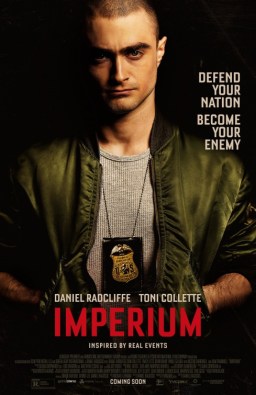 “We all create a narrative based on what we think is important,” Toni Collette’s FBI official Angela Zamparo suggests at the start of “
 “
“ Fantastic Fest
 If you’ve ever dreamed of seeing an Academy Award-winning actress reduced to doing the cinematic equivalent of TV network crime procedurals, you’re in luck. Brad Anderson’s “
 Don’t believe the marketing. “
 My brother is eight years younger than I am, and they happen to be situated just so that we’re of different generations. I’m a millennial, he’s “Generation Z” (a name I suspect they might outgrow and replace). One of the distinctive features of my generation, scholars claim, is that we are so-called digital natives. We came of age as the Internet did, and this has made us scrappy and able to navigate it nimbly as it evolved.
 Spoiler alert: don’t expect any portion of the Scottish play in William Oldroyd’s “
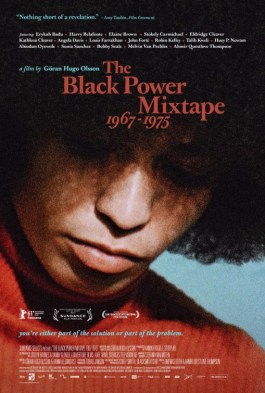 Shot by Swedish filmmakers. Chronicling black American advocates and revolutionaries in the immediate post-Civil Rights era. Narrated by present-day observers. Göran Hug Olsson’s documentary “The Black Power Mixtape 1967-1975” contains multitudes.
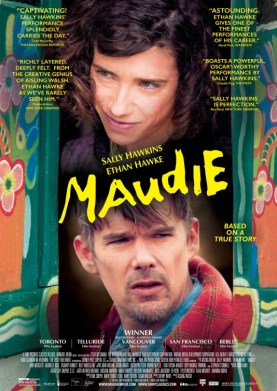 From the opening scene of Aisling Walsh’s “

 Marshall and the Movies
Recent Comments