Unlike the “Harry Potter” finale, which ran over 800 pages in length, the last installment of “The Hunger Games” probably did not necessitate a two-part cinematic conclusion. But alas, the filmmaking team thought they could find enough action in the story, and the Lionsgate executives had confidence that they could market two films. So now, audiences are stuck with “The Hunger Games: Mockingjay, Part 1.”
Though the film runs a full 30 minutes shorter than both its predecessors, it feels significantly longer. Jennifer Lawrence, Julianne Moore, and Philip Seymour Hoffman (in his penultimate role) do bring an aura of prestige to the relatively calm proceedings, yet that is not enough to boost the low energy that plagues the first half of “Mockingjay.” While there is a thrilling final rescue scene and one quasi-action sequence in the middle, the inside baseball of Panem politics occupies the majority of the two hours.
Perhaps “Mockingjay” could inspire the next generation of political publicists, a prospect simultaneously encouraging and frightening. The film offers an introductory course to how semantics, misinformation, and outright propagandizing can be used by governments as well as social movements to recruit followers and repel criticisms. The overarching lesson of “Mockingjay” may very well be that the camera is mightier than the sword.

 As Bill Murray’s zany candor becomes the ultimate cult of personality, it seems that plenty of people are completely entertained by just watching him be – whether in character or in real life. “
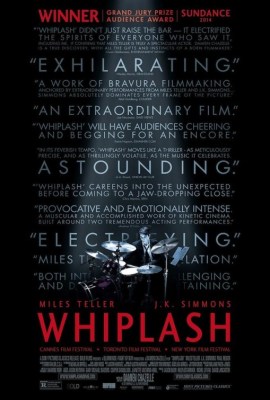 While the film “
 Two years ago, I placed my money on Lynn Shelton to lead the charge of brining the mumblecore movement to the mainstream. After seeing “

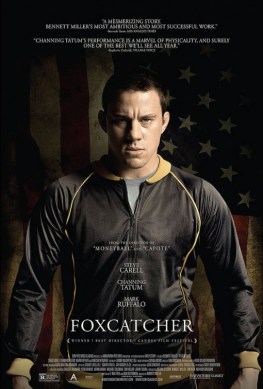 Telluride Film Festival
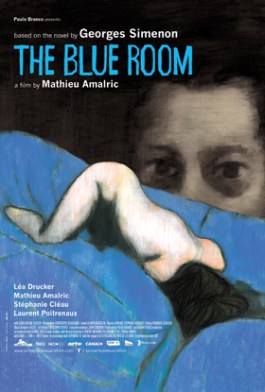 Mathieu Amalric’s directorial venture “
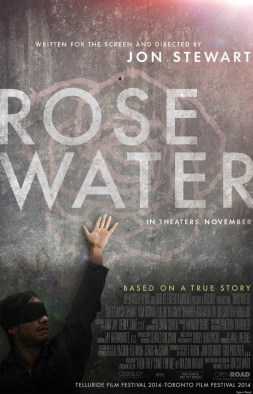 Telluride Film Festival


 Marshall and the Movies
Recent Comments