For the better part of a decade, Katherine Heigl has struggled to shake off a reputation of being disagreeable. Much of this stems from a 2007 interview about “Knocked Up” where she chided the film’s supposed sexist treatment of female characters. (Inner publicist note: had she just waited and made the comment in retrospect, it’s likely no one would have found it controversial.) But ever since, many in the culture have projected their worst ideas about outspoken women onto her. She often wears the dreaded label of “unlikable.”
After countless attempts to correct the narrative by starring in sunny rom-coms, network television procedurals and a few indies, Heigl finally leans into the bad rap as the villain of “Unforgettable.” In Denise Di Novi’s domestic thriller, she plays Tessa Connover, the eerie ex-wife who torments her former flame’s new dame, Rosario Dawson’s Julia Banks. The film’s twist on the catfight genre is that Julia herself is not purely a victim or object of terror. She’s a survivor of domestic abuse dealing with lingering distress of her own.
Tessa plays manipulative mind games behind a placid exterior, though in Heigl’s hands, it often comes across as wooden. For these films to successfully scare, there needs to be some element of mystery behind the machinations of menace. Tessa is essentially an open book; in Heigl’s defense, the obvious broadcasting of her character’s motivations and actions is also a fault at the script level. But just as she could have spoken up and changed things with “Knocked Up,” Heigl could have added some mystery to her performance to strengthen the film. Tessa is her way of winking at the audience and admitting she knows what they think of her. Little in “Unforgettable” makes a compelling case for why people should change their minds. C+ / 
 Fantastic Fest
 We’ve all seen our fair share of time travel movies ranging from the fantastic (“
 There’s plenty of “period” footage in Justin Kelly’s “
 Fantastic Fest
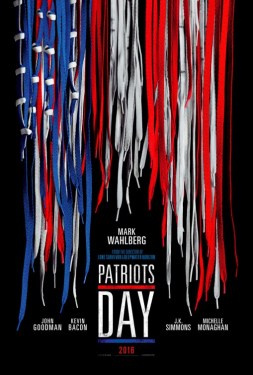 The narrative elements of “
 “Authenticity informed by optimism” – that was the motto of Britain’s wartime Ministry of Information when it comes to creating films, according to Lone Scherfig’s “
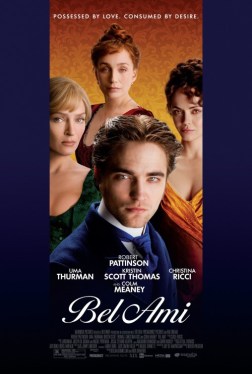 At some point while working on a profile of Robert Pattinson, I realized I couldn’t write honestly or insightfully about the actor if I only considered his post-“Twilight” work, which I generally considered to. I’m not sure at what point I decided I needed to watch everything in his filmography, but one film I did not particularly anticipate sitting through was “Bel Ami.” Costume dramas, especially ones set in 19th-century Europe, tend to function as something akin to the bane of my existence.
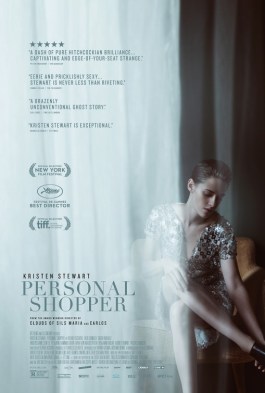 Olivier Assayas’ “
 Fantastic Fest
 Fantastic Fest
 Seduction gets the on-screen treatment quite a bit, though I can say I’ve rarely seen it so expertly dissembled as it was in Catherine Breillat’s “Fat Girl,” my pick for the “F.I.L.M. of the Week.” This twisted tale of adolescent experimentation, which delightedly revels in its own bawdiness, spends a solid 20 minutes of its tight 83 minute runtime devoted to a single scene in which college-aged beach rat Fernando (Libero De Rienzo) attempts to get in the pants of teenaged Elena (Roxane Mesquida). He’s using just about every trick in the book to end up at intercourse, but Elena clutches the prize of her virginity with a firm grip. It’s not something Fernando would need to pry from her cold, dead hands, so, slowly, he chips away at her resistance.

 Marshall and the Movies
Recent Comments