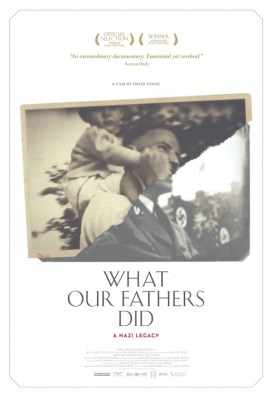
 “What Our Fathers Did” contains perhaps the ultimate divide between its subjects. Philippe Sands is the children of European Jews who saw his family devastated by the Holocaust. Niklas Frank and Horst von Wächter are the children of high-ranking Nazi Party officials. Truly, this is the kind of matchup that seemingly only a screenwriter could dream up.
But the three men are cordial – friendly, even! That is, until Sands decides to press the two men on how they can disavow the ideology and methodology of their fathers’ party while also justifying their actions. They can still love their parents because the now-grown men delude themselves into believing that their fathers were far removed from any kind of genocide or terror.
Sands tests just how far familial allegiance will go, even presenting them with incontrovertible evidence that their ancestors gave orders for mass exterminations. Still, they remain unmoved and unconvinced. It feels like an exercise in futility, however noble a task it might be.
Director David Evans could have matched Sands’ forceful case with hard-hitting technique, extensive historical contextualization or critical commentary from unexpected experts. Instead, “What Our Fathers Did” plays like a bloated television magazine profile. It feels glossy when it should be penetrative, cursory where it should be weighty. Seriously, did anyone involved in this movie even look at the Wikipedia page for “banality of evil?” Our world is witnessing what appears to be the rebirth of fascism. We deserve a better look at its first incarnation than this. C+ / 
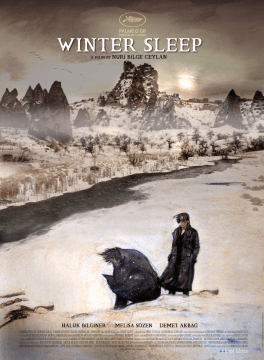 Nuri Bilge Ceylan certainly loves the sound of his own writing; in “
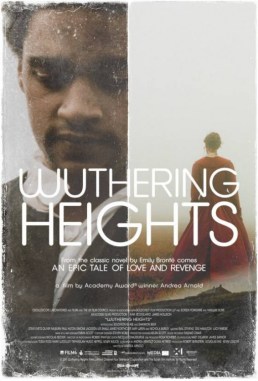 I’m not sure I could give you a plot summary of Emily Bronte’s novel “Wuthering Heights” based on the 2012 film adaptation by Andrea Arnold. High school English students looking for the newest movie version so they can avoid reading this classic tome of British literature will find themselves sorely disappointed. Film lovers, however, ought to rejoice.
 “You don’t have a clue where your money is,” quips George Clooney’s Jim Kramer-esque TV pundit/entertainer Lee Gates at the start of “
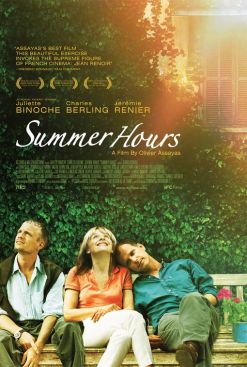 From the opening series of scenes in Olivier Assayas’ film “
 Know that person who has a heart of gold but lacks a silver tongue? Or has valuable wisdom but tends to share too much information? Who would be the greatest conversationalist in the world if they could just cut themselves off one sentence earlier?
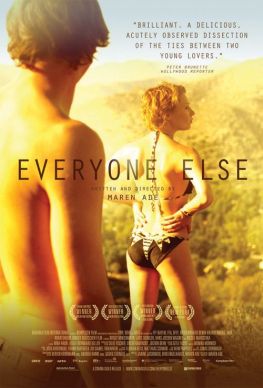 Maren Ade’s “
 From the opening archival photos in “Neighboring Sounds,” writer/directorKleber Mendonça Filho positions the story in a long history of extreme wealth inequality. We see the construction of palatial estates for the wealthy, which were of course built on the backs of workers who made practically nothing.
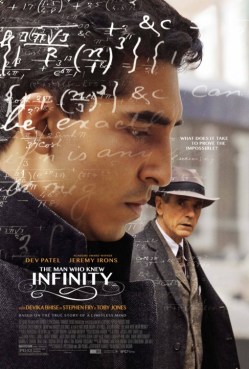 Stop me if you think you’ve heard this one before…
 When the eventual biographers take stock of Tom Hanks’ career, something tells me that “
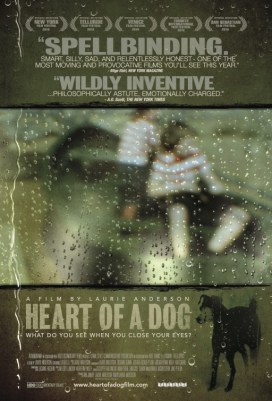 A mourning of a lost husband and pet. A celebration of their lives.
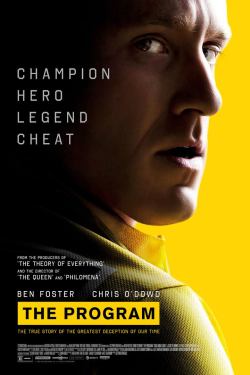 There are many stories surrounding cycling icon Lance Armstrong worthy of cinematic treatment. There’s the athlete himself, whose hubris and competitive nature led him to dupe, receive and betray. There’s the many authorities who turned a blind eye, including the media – save the one journalist, David Walsh, with the courage to take on Armstrong’s cabal. And of course, there’s America as a whole, who cheered on his triumphant narrative and marveled aghast when it was exposed as a sham.

 Marshall and the Movies
Recent Comments