Toronto International Film Festival
NOTE: Since I reviewed this film for a bigger outlet, I can’t really reprint the review in its entirety. From now on, when I’ve given a film a proper review elsewhere, I’ll use this space to expand upon certain elements that might not have made their way into the full review.
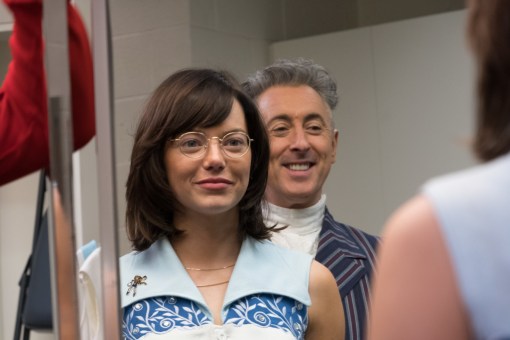
One aspect of “Battle of the Sexes” getting lost amidst the gendered 2016 election comparisons is the film’s queer storyline. It was important that Emma Stone’s Billie Jean King was a woman facing Steve Carell’s misogynist Bobby Riggs, but as the 1973 public did not know, it was important that she was a queer woman. King was living a lie to herself and her husband Larry (Austin Stowell) because the world was simply not ready to accept a prominent lesbian athlete. (It’s used against King by one of her pious teammates as blackmail, another sad reminder that not every woman abides by the tenets of feminism.)
As I wrote in my full review, “It’s important ‘Battle of the Sexes’ included Marilyn [King’s lover, played by Andrea Riseborough] – to reduce her role or eliminate her altogether would have been nothing short of erasure.” But while their love story might not function smoothly as a romantic subplot, it does open a window into the quiet dignity of a still very underground LGBT community. (Most notable among them is Alan Cumming as Cuthbert ‘Ted’ Tinling, the women’s costumer.) In particular, directors Jonathan Dayton and Valerie Faris pick up on the incognito communication they use to keep each other safe and covered. These observations are perceptive, and they seem like just nice moments until a surprisingly walloping emotional coda that I dare not spoil consummates them into something more.
Also, Sarah Silverman should only play sleazy promoters/publicists moving forward. Between this and “Popstar,” she’s found her perfect type. B+ / 
 Justin Chon’s “
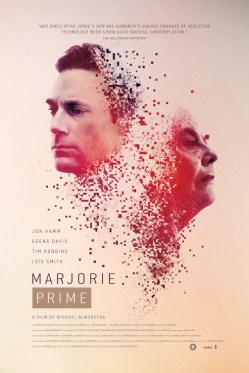 Jon Hamm is just sitting on the couch when Michael Almereyda’s “
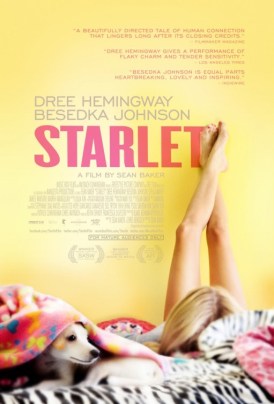 Sean Baker might be our most essential contemporary humanist filmmaker. He locates the beating heart of his films not in the extraordinary but in the ordinary, the everyday, the mundane. His works start in one place and end in someplace altogether different and unexpected, leaving us all the better for having walked two hours in his characters’ shoes.
 At least for now, it’s taken as an assumption that most queer cinema will take place against the background of a heteronormative society. Few visualize it like John Trengove’s “
 “We all create a narrative based on what we think is important,” Toni Collette’s FBI official Angela Zamparo suggests at the start of “
 “
“ Fantastic Fest
 If you’ve ever dreamed of seeing an Academy Award-winning actress reduced to doing the cinematic equivalent of TV network crime procedurals, you’re in luck. Brad Anderson’s “
 Don’t believe the marketing. “

 Marshall and the Movies
Recent Comments