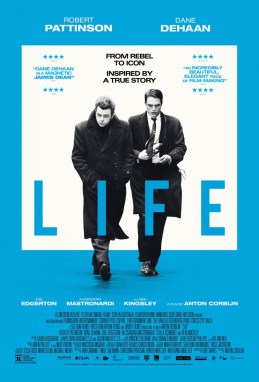
 “Life” gets its title from the now-shuttered magazine which featured iconic pictures of actor James Dean shot by photographer Dennis Stock. It’s clever wordplay, sure, but not necessarily indicative of the film’s actual content. The better moniker for Luke Davies’ screenplay might have been “Fame,” or “Success.”
Those are the two biggest burdens weighing on the two subjects of the film. Dane DeHaan’s James Dean prepares to go supernova with the impending release of “East of Eden” and his forthcoming casting in “Rebel Without A Cause.” He wants recognition and validation but gets spooked by the fame that will likely dovetail receiving such plaudits.
Robert Pattinson’s Dennis Stock, meanwhile, frequently attempts to remain calm amidst his nervousness and insecurities. He has talent but is unsure if the gatekeepers will accept and allow it to blossom into art, so he settles on James Dean as a subject – someone on the cusp of stardom but not yet fully blossomed. This drive has wide ranging echoes in Pattinson’s own career as he seeks to shed the skin of the “Twilight” series.
“Life” also feels like a meta commentary for its director, Anton Corbijn. About midway through the film, Dean comes to realize that photography says as much about the person behind the camera as it does the subject in front, even when supposedly capturing non-fictional moments. Corbijn, who was himself a photographer before entering the word of fictional feature filmmaking, seems to exert a strong biographical pull on the relationship between the two men.
It’s a shame that the film feels more about events and charted course than exploring thematic threads and character interiors. There was likely a version of “Life” as revealing and honest as “The End of the Tour,” another 2015 release about the push and pull between journalists and artists. But as it stands, the film feels like an interesting but unfulfilled biography of a telling period in Dean’s life. It sinks or swims based on DeHaan’s portrayal of the actor. While he does nail the mannerisms and general aura of Dean, the vocal cadences always serve as a reminder that this is a performative interpretation. B- / 
 As the executives at Lifetime have now discovered with their ingenious “Grumpy Cat’s Worst Christmas Ever,” Aubrey Plaza is today’s most lovable curmudgeon. Her dourly misanthropic attitude paradoxically lights up any scene in which she appears. “
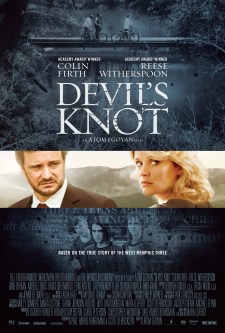 The miscarriage of justice in the case of the West Memphis Three, a group of Satanist wrongfully convicted of murdering young children in rural Arkansas, has received plenty of attention from non-fiction filmmakers. Joe Berlinger and Bruce Sinofsky have created the “Paradise Lost” trilogy about their case; the final film netted them an Oscar nomination. And if that wasn’t enough, Academy Award nominee Amy Berg made her own documentary on the subject, “West of Memphis,” to great acclaim.


 Marshall and the Movies
Recent Comments