Is it becoming contractually obligatory for a series’ third installment to be bland and lackluster? Must they expend all their energy in the first two films? Because by the time “X-Men: Apocalypse” came to a close, I found myself struggling to recall what it was that had me so jazzed after Matthew Vaughn’s reinvigoration of the franchise in the first place.
“It’s like a two hour pilot that introduces you to a fantastic ensemble while also fleshing out the conflict between its two biggest stars,” I wrote of “X-Men: First Class” back in 2011. So to extend the television metaphor, I guess this is that point a few seasons into a show where I disengage after noticing it’s clearly jumped the shark. The deeper dive into the series’ key figures, James McAvoy’s Professor X and Michael Fassbender’s Magneto, has now officially ceded way to bloated, overstuffed “Spider-Man 3” syndrome.
The numerous characters in the “X-Men” universe, from supersonic Quicksilver (Evan Peters) to teleporting Nightcrawler (Kodi Smit-McPhee), have moved from strength to liability. Singer, with the aid of screenwriter Simon Kinberg, packs “X-Men: Apocalypse” full of new characters who ultimately feel like they are playing out narratives in search of a spinoff franchise. And while there’s really only one villain, Oscar Isaac’s prehistoric Apocalypse, he gets so little to do that a great actor ends up giving a mummified performance.
That cast of rising stars, once such an asset for the series, now weighs like a millstone around its neck. McAvoy, Fassbender, Jennifer Lawrence and Nicholas Hoult have all seen their stars rise considerably since 2011. They owe a lot of that to the “X-Men” franchise. And they don’t pay it back in what could likely serve as their final outing in the respective roles. It’s less acting and more contract fulfillment. C+ / 
 The recent hiring trend for studio tentpoles has been to pluck indie directors from obscurity, combining their strong imaginative knack with their weak negotiating power and strong incentive to roll over and obey for the career boost. Some of these moves make a lot of sense (Duncan Jones, Gareth Edwards) while others still feel strange, like transitioning Colin Trevorrow from “
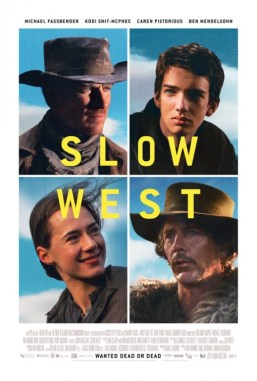 If there is one compliment I can pay writer/director John MacLean’s “
 Ari Folman’s “
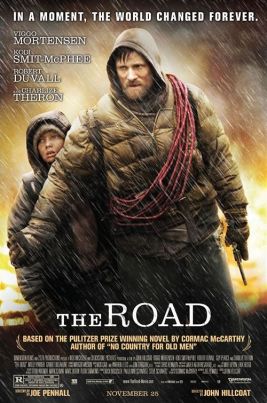 I’m in a semi-minority when I say that John Hillcoat’s film “The Road” is a dreadful movie. However, I know I’m in a vast minority when I say that Cormac McCarthy’s novel “The Road,” the book Hillcoat’s film is based on, is just as bad – if not worse. Yes, I’m taking issue with the novel that won the Pulitzer Prize and Entertainment Weekly‘s distinction of the best book of the past 25 years.

 Marshall and the Movies
Recent Comments