Filmed entertainment in the “Star Wars” universe is valuable, expensive real estate – and I am somewhat skeptical that “Rogue One: A Star Wars Story” is a good use of it. Admittedly, it is nice to see a film contributing something to a multiverse that isn’t a mere brand extension. But given that the events are a direct vamp up to the pre-determined beginning of the original 1977 film, what’s the point in spending two hours with characters working towards an outcome we already know? Why invest in them?
“Rogue One” has plenty to cheer on, not the least of which includes the thrill of watching the coalition of women and minorities successfully band together to defeat the fascistic empire-seeking men. (Do these things only happen in fiction now?) In a deftly constructed battle sequence to steal the plans to Darth Vader’s Death Star, they come together in an act of valiant sacrifice to save the galaxy. It’s a sight to see, though it does feel like a component or two has gone missing.
The rebel team of rivals, which includes the daughter of the Death Star’s architect (Felicity Jones’ Jyn Erso), a rebel intelligence officer (Diego Luna’s Cassian Andor), an Imperial pilot defector (Riz Ahmed’s Bodhi Rook), a blind Force-wielder (Donnie Yen’s Chirrut Îmwe) and his mercenary pal (Jiang Wen’s Baze Malbus), comes together over the course of “Rogue One.” Given the somewhat languorous speed at which their union occurs, one would think that this is a setup for multiple sequels, “Avengers“-style. By the end of the film, however, it’s quite clear that such is not the case.
So why does Chris Weitz and Tony Gilroy’s script take such a cursory approach to defining each of these characters? The threads they tie together by the final battle are quite thin. Jyn Erso leads her band of rebels into a daring maneuver with the call to action, “Rebellions are built on hope!” The line falls short of rousing because we know so little about her. We know even less about her companions. For all the vicarious inspiration “Rogue One” provides, it offers almost nothing in the way of personal connection and emotional investment. B- / 

 Call director Nicolas Winding Refn what you will (and I can think of a few things), but the man is never short on ambition. He has always worked to incorporate avant-garde elements into familiar genres like the
  I’ve been pressed (in person) by two loyal readers who want to know the rationale behind my aversion to period pieces, in particular the so-called “costume drama.” I do try to elucidate when I hold an entire genre or subgenre in contempt – see my pans of “
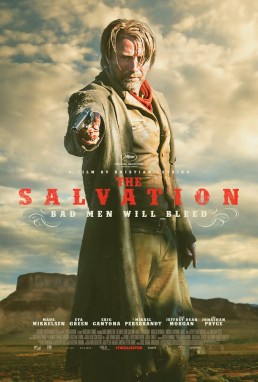 Sometimes it takes an outsider to really make a cinematic genre reflect the American character; I’m thinking specifically of Brit Christopher Nolan making the ultimate statement about post-9/11 USA with comic book flick “
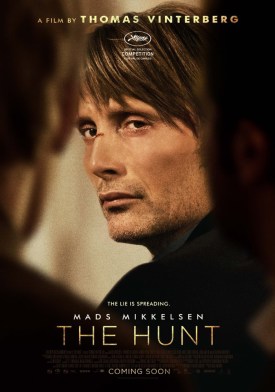 Cannes Film Festival

 Marshall and the Movies
Recent Comments