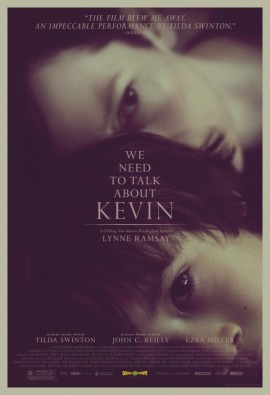
 I have somewhat a shameful bad habit as a critic – sometimes, I cannot bring myself to write about the movies that transfix my senses and command my thoughts. Look through my pages of reviews and see the scores of films at the top of the list – “Shame,” “Spring Breakers, “12 Years a Slave,” “American Hustle,” “The Big Short” – all without a formal review. It feels mostly rooted in a desire not to demystify the experience combined with a feebleness before the work. What good can my words really do in the face of such a colossus of art?
Tonight, I sat before my editorial calendar with a big gaping hole in my schedule. Nothing new left to review, nothing old particularly pertinent to a new release. What to write about, especially given the horrendous events dominating the news? (If you read this further out from publication and June 12 is not a date branded in your memory, I wrote the sentence you are reading in the wake of the slaughter at Pulse in Orlando.) Then, I remembered one film that I have been long overdue to appraise. Roughly five years late, as a matter of fact.
If you didn’t read the title or look at the poster, that film is Lynne Ramsay’s “We Need To Talk About Kevin,” a chilling look behind the headlines at the mother of a murderer. Of course, a one-to-one correlation between the Orlando massacre and the killing at the center of this film is not the point. The murder weapons are different, and the family environments and the means of radicalization are likely dissimilar as well (though answers are not known now). As we enter the backstretch of this decade, I cannot shake the feeling that this film will be among its definitive works and most potent responses to the crises of our time.
The film primarily takes place in the aftermath of the carnage carried out by the titular character with frequent flashbacks to the past of Kevin (Ezra Miller) and his mother, Eva (Tilda Swinton). In such times, we cast a backward glance to determine the cause of the present. And “cause” is just a polite word for “blame.” Once we know where we can point the finger, we can shake off the act.
I come to bang out this piece with the words and sounds of countless politicians, thinkpieces and cable news segments about Orlando swirling around in my head. It’s about gun control, some say. It’s about ISIS, declare others. It’s a hate crime, a mental health issue and probably countless other causes that my mind does not have the space to store.
Yet while I respect these journalists and newspeople, I found myself turning to artists for solace and understanding. That final scene from “Milk.” Charlie Chaplin’s powerful monologue from the end of “The Great Dictator.” The big address from the end of “The King’s Speech.” (Yes, I still resent it beating “The Social Network,” but I don’t have an ice chest in place of a heart.) Heck, even the comedy news stylings of Samantha Bee and Seth Meyers. It is artists who can take one step back from the messy business of the day and attempt to bring some perspective, highlight the complexity and sometimes even restore some prudence.
Lynne Ramsay brings a variety of perspectives, techniques and approaches to adapt Lionel Shriver’s epistolary novel into cinematic terms. She finds a pulsing, urgent narrative throughline to carry the patiently doled out details of Eva’s suffering on the page. What Ramsay assembles in “We Need To Talk About Kevin” is truly the gold standard among films that dare to delve into the cycle of violence that rips apart communities. We can see its destructive ends, but the multiplicity of factors that culminated in such an act form too great a web to untangle. That does not stop her from pointing out each thread.
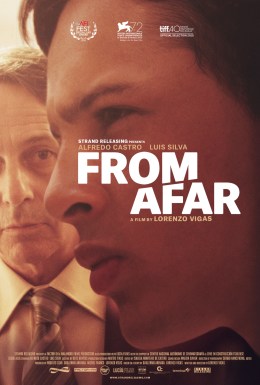 “How could he?” It’s telling that, in a post-screening talkback, writer/director Lorenzo Vigas asked this question of the final turn in his film rather than a more neutrally-worded variation like, “Why did he?” His “
 Fantastic Fest, 2015

 The recent hiring trend for studio tentpoles has been to pluck indie directors from obscurity, combining their strong imaginative knack with their weak negotiating power and strong incentive to roll over and obey for the career boost. Some of these moves make a lot of sense (Duncan Jones, Gareth Edwards) while others still feel strange, like transitioning Colin Trevorrow from “
 “
“ The strange case of Asghar Farhadi’s quick rise to stateside prominence means that his previously unreleased ’00s films are only just being dusted off and released in America. If one believes that directors get better over time (as I do), then the more of Farhadi’s work that we see, the less impressive he looks.
 At the risk of sounding perilously similar to Rep. Louie Gohmert, who
 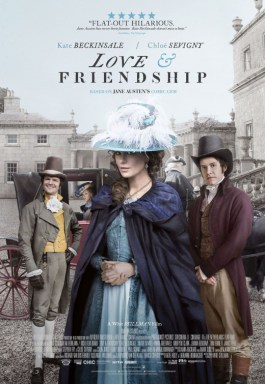 Period pieces, particularly ones set in Victorian-era England, are a well-documented displeasure of mine. Whit Stillman’s “
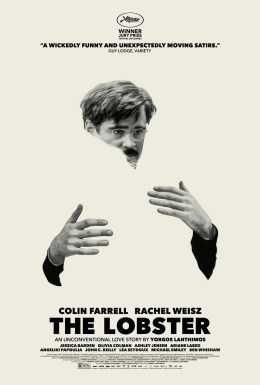
 Now that it looks like “The Lobster” is shaping up as a breakout arthouse hit, many people will likely wonder where they can get more of that film’s distinct artistic sensibility. Those folks are also in luck, as co-writer/director Yorgos Lanthimos has two films made in his native Greece readily available to watch.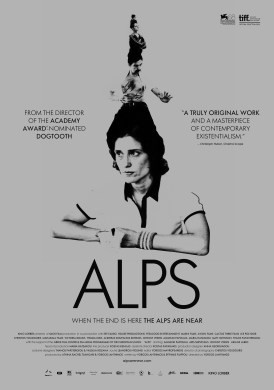

 More movies than you’d like to know are reviewed in a daze, particularly out of festivals. Seeing and listening to Cannes coverage from the past week reminds me of this sad fact. Just think – if you were a filmmaker with your reputation on the line, would you want sleep-deprived critic to write about your movie? Worse yet, in a festival environment, it’s practically impossible to go back and revisit a film once the credits roll.
 Sundance Film Festival
 American men have gotten their fair share of skewering this year, from the farcial (“

 Marshall and the Movies
Recent Comments