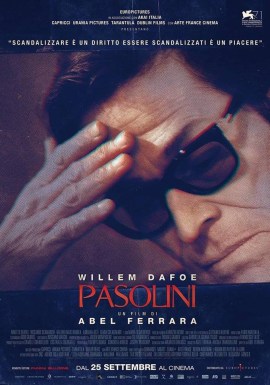
 New York Film Festival, 2014
Admittedly, I know very little about Pier Paolo Pasolini, the Italian filmmaker played by Willem Dafoe in Abel Ferrara’s “Pasolini.” I probably scrolled through the Wikipedia summary of him in the minutes before my screening began (which I only opted for because I had already seen my other option). But a working knowledge of Pasolini is hardly necessary to get something out of the film.
A good portion of the film is fairly didactic, involving Pasolini giving an English-language interview about his art and craft that provides a baseline of details that can sustain interest throughout. He talks about the death of narrative art and the right to scandalize, topics relevant in 2015 as they were in 1975.
As Pasolini talks through his upcoming projects, Ferrara visualizes them. This aspect is significant because Pasolini never got to see them through himself. The director was brutally beaten to death prior to shooting. “Pasolini,” then, realizes that vision for the filmmaker. The film does not just portray his life; Ferrara extends it.
But in order to keep the narrative going for those (like myself) who need something more than glances at a work that could have been, “Pasolini” follows its eponymous figure on the final day of his life in a manner similar to “Fruitvale Station.” This not only helps Ferrara avoid hagiography but also allows a sense of tragedy to inform the proceedings. While this two-pronged approach to depicting a major figure in Italian cinema is neither revolutionary nor particularly novel, it certainly manages to keep things interesting for a much wider audience. B / 
 The small town, blue-collar workers in Scott Cooper’s “
 The Toronto International Film Festival (TIFF) gets underway today, and plenty of films vying for Oscar glory will be seen for the first time. Other holdovers from Sundance, Berlin, Cannes, and Venice will also get a moment in the sun, a reintroduction for North American audiences.
 M. Night Shyamalan might be moviegoers’ favorite punching bag, but for his latest outing as writer/director, he brought something to deflect the blow.
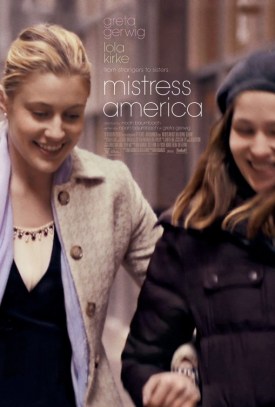 The lively creative partnership between writer/director Noah Baumbach and writer/star Greta Gerwig produced one perfectly pleasant piece of cinema in 2013’s “Frances Ha.” That film appropriated the techniques of the French New Wave greats and applied their general vibe to an (un)happy-go-lucky New York twenty-something.
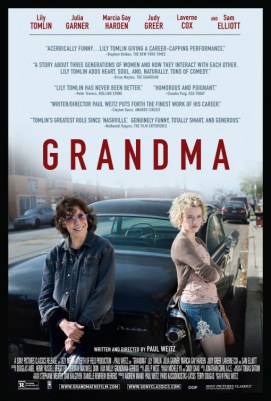 Paul Weitz’s “
 Alex Gibney has made his career as a documentarian by holding powerful institutions accountable for their misdeeds, be they the
 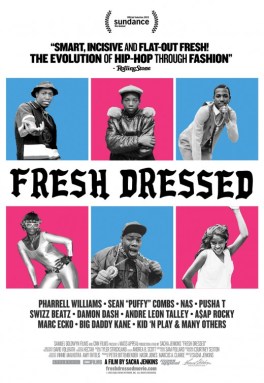 Sacha Jenkins’ documentary “
 Jill Soloway appears in just about any feature being published these days about the changing face of television for women behind the camera and trans representation in front of it. Even before “Transparent” landed at Amazon, she was making waves as a writer and producer on shows like “Six Feet Under,” “Grey’s Anatomy,” and “United States of Tara.” And somewhere in her schedule, she found time to make a narrative film.
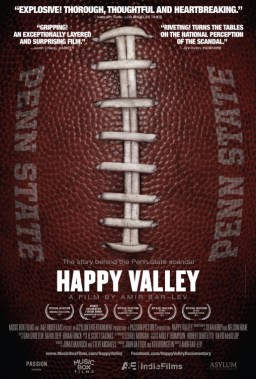 Amir Bar-Lev’s “
 As writer/director Joe Swanberg wanders the corridors of marital discontent in his latest film, “
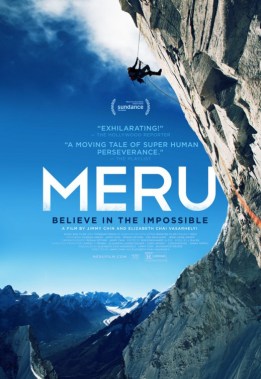 “
“ In Craig Zobel’s last film, 2012’s “
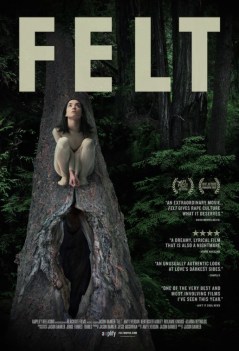 Jason Banker’s “

 Marshall and the Movies
Recent Comments