Can two rabbits come out of the same metaphorical hat? Or two tricks from the same sleeve? Jon M. Chu’s “Now You See Me 2” does not really attempt such a feat. Rather than make a straightforward sequel to the 2013 magician caper, it goes in a totally new direction – essentially functioning like an “Ocean’s 11” style heist film. This entertains, sure, but it feels like a betrayal of the series’ core conceits.
The more interesting change from predecessor to sequel, however, is the transition of target for the magicians-cum-social crusaders known as the Four Horsemen. In the first film, their Robin Hood act harnessed the populist rage of the Occupy movement and used their cunning to get back at financiers who profited off the recession. Now, they face down a titan of technology with tyrannical aspirations of acquiring a chip that can surveil and sabotage any network on Earth. (On a pedantic note, it’s somewhat disappointing – yet maybe somewhat admirable – that the businessman is played by Daniel Radcliffe and no meta magic jokes are made around his appearance.)
Like “Spectre” last year, “Now You See Me 2” dives headfirst into Snowden-era debates over digital privacy. It only offers real commentary about the freedom from being seen in its conclusion, another predictably drawn-out labyrinthine affair. The film is primarily focused on the thrill; perhaps as it should be. When highly focused, as in an extended sequence showing the slight-of-hand of the disappearing card trick, it rightly claims the descriptor of “magical.”
But more often, it’s a lot of back-and-forth banter between the bickering magicians. The new presence of Lizzy Caplan’s enchantress Lula, a one-note annoying chatterbox with an aggravating infatuation for Dave Franco’s Jack Wilder, makes the interactions chafe a little more than before. Their dynamics feel like a potential deleted storyline from 2009’s “The Proposal,” the only other writing credit from “Now You See Me 2” scripter Pete Chiarelli. His sensibility coexists somewhat uneasily with writer Ed Solomon – the only credited writer returning from the original – whose previous work includes buddy action flicks like “Men in Black” and “Charlie’s Angels.” Their tag team gives the film a little bit of everything, just not a whole lot of consistency. C+ / 
 The recent hiring trend for studio tentpoles has been to pluck indie directors from obscurity, combining their strong imaginative knack with their weak negotiating power and strong incentive to roll over and obey for the career boost. Some of these moves make a lot of sense (Duncan Jones, Gareth Edwards) while others still feel strange, like transitioning Colin Trevorrow from “
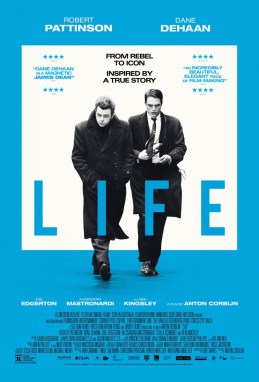 “
“ The strange case of Asghar Farhadi’s quick rise to stateside prominence means that his previously unreleased ’00s films are only just being dusted off and released in America. If one believes that directors get better over time (as I do), then the more of Farhadi’s work that we see, the less impressive he looks.
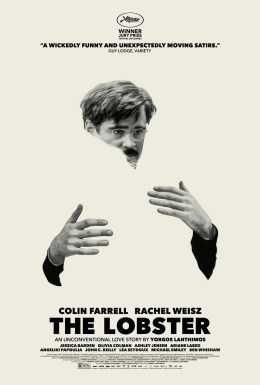 At the risk of sounding perilously similar to Rep. Louie Gohmert, who
 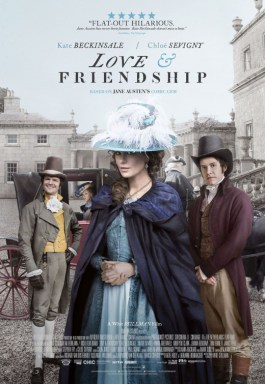 Period pieces, particularly ones set in Victorian-era England, are a well-documented displeasure of mine. Whit Stillman’s “
 Now that it looks like “The Lobster” is shaping up as a breakout arthouse hit, many people will likely wonder where they can get more of that film’s distinct artistic sensibility. Those folks are also in luck, as co-writer/director Yorgos Lanthimos has two films made in his native Greece readily available to watch.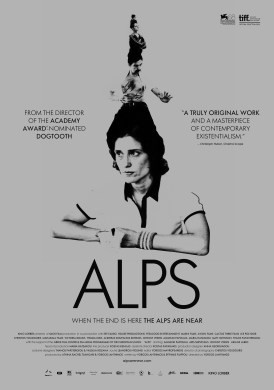

 More movies than you’d like to know are reviewed in a daze, particularly out of festivals. Seeing and listening to Cannes coverage from the past week reminds me of this sad fact. Just think – if you were a filmmaker with your reputation on the line, would you want sleep-deprived critic to write about your movie? Worse yet, in a festival environment, it’s practically impossible to go back and revisit a film once the credits roll.
 Sundance Film Festival
 American men have gotten their fair share of skewering this year, from the farcial (“
 New York Film Festival
 “Interesting.” It’s the catch-all phrase for critics and reviewers, simultaneously meaning everything and nothing.

 Marshall and the Movies
Recent Comments