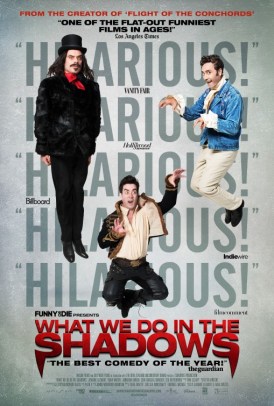
 After the vampire boom of the late 2000s (all thanks to the “Twilight” saga), it makes sense that we now get a reactionary boom of revisionist bloodsuckers. From action flick “Abraham Lincoln: Vampire Hunter” to hipster indies like “Only Lovers Left Alive” and “A Girl Walks Home Alone at Night,” it feels like culture has begun to reclaim the terrifying creature from the Cullens.
Now, add Kiwi mockumentary “What We Do in the Shadows” to the pile. The film comes from the team behind cult hit TV series “Flight of the Concords,” Jemaine Clement and Taika Waititi, and their latest effort seems destined to dwell in a similar realm of fandom. The movie is undeniably clever and funny on a number of occasions, yet those moments come inconsistently (and a little too infrequently).
When Clement and Waititi realize their vision for three centuries-old vampires who are hopelessly out of place courting fresh blood in the modern world, “What We Do in the Shadows” recalls “This is Spinal Tap” in the hilarity of its pathetic mundanity. But when they miss, the film feels like an improv sketch that cannot achieve liftoff from the very beginning and then crawls its way towards a far-off conclusion. Even at under an hour and a half, the uneven mix of these two extremes makes the whole thing drag. B / 
 “Look into my eyes so you know what it’s like, to live a life not knowing what a normal life’s like,” raps Keith Stanfield as Marcus in “
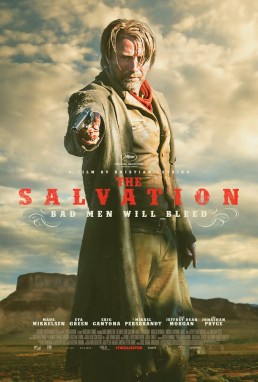 Sometimes it takes an outsider to really make a cinematic genre reflect the American character; I’m thinking specifically of Brit Christopher Nolan making the ultimate statement about post-9/11 USA with comic book flick “
 I remember being 15 years old like it was just yesterday. It was a time of excitement and newness as well as a period of confusion, longing, and frustration. You begin to realize what it is that you personally want yet only have a rudimentary vocabulary to express it. The world seems so full of promise and potential, but so much of it seems locked away out of reach.
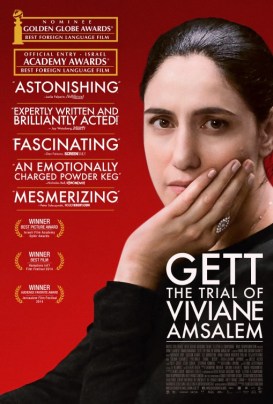 The protagonist and heroine of “Gett: The Trial of Viviane Amsalem” may have her name in the title, but that could very well be the only advantage she possesses in the film. Take the first scene, for example. As Viviane seeks a divorce in court from her husband Elisha, all the other participants mention her several times in the first few minutes – yet she remains off-camera entirely. Elisha even delivers a line directly to her, and he just looks right into the lens.
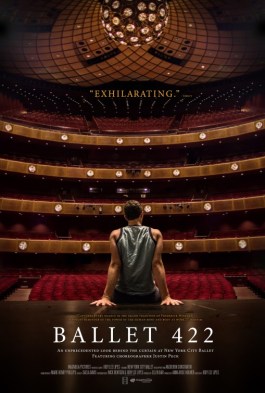 The documentary “
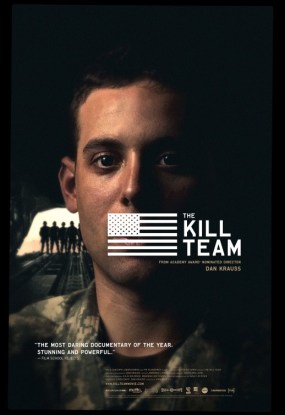 “
“
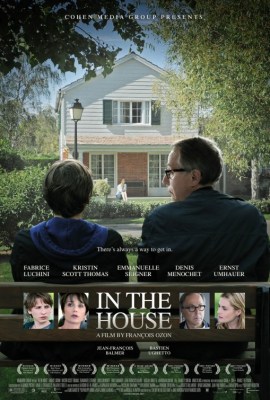 François Ozon made a big splash in 2003 with his film “
 Explicitly name-dropping influences within a movie is always a bad idea because it quite literally invites comparisons to the source. And it is an especially ill-advised move if that movie is a classic of the cinema like Martin Scorsese’s “Taxi Driver.”

 Marshall and the Movies
Recent Comments